
Chinese Privet Bonsai Care
Ligustrum sinense
Chinese privet is about as forgiving as bonsai material gets, the kind of shrub you can genuinely learn hard-pruning technique on without worrying you'll kill it.
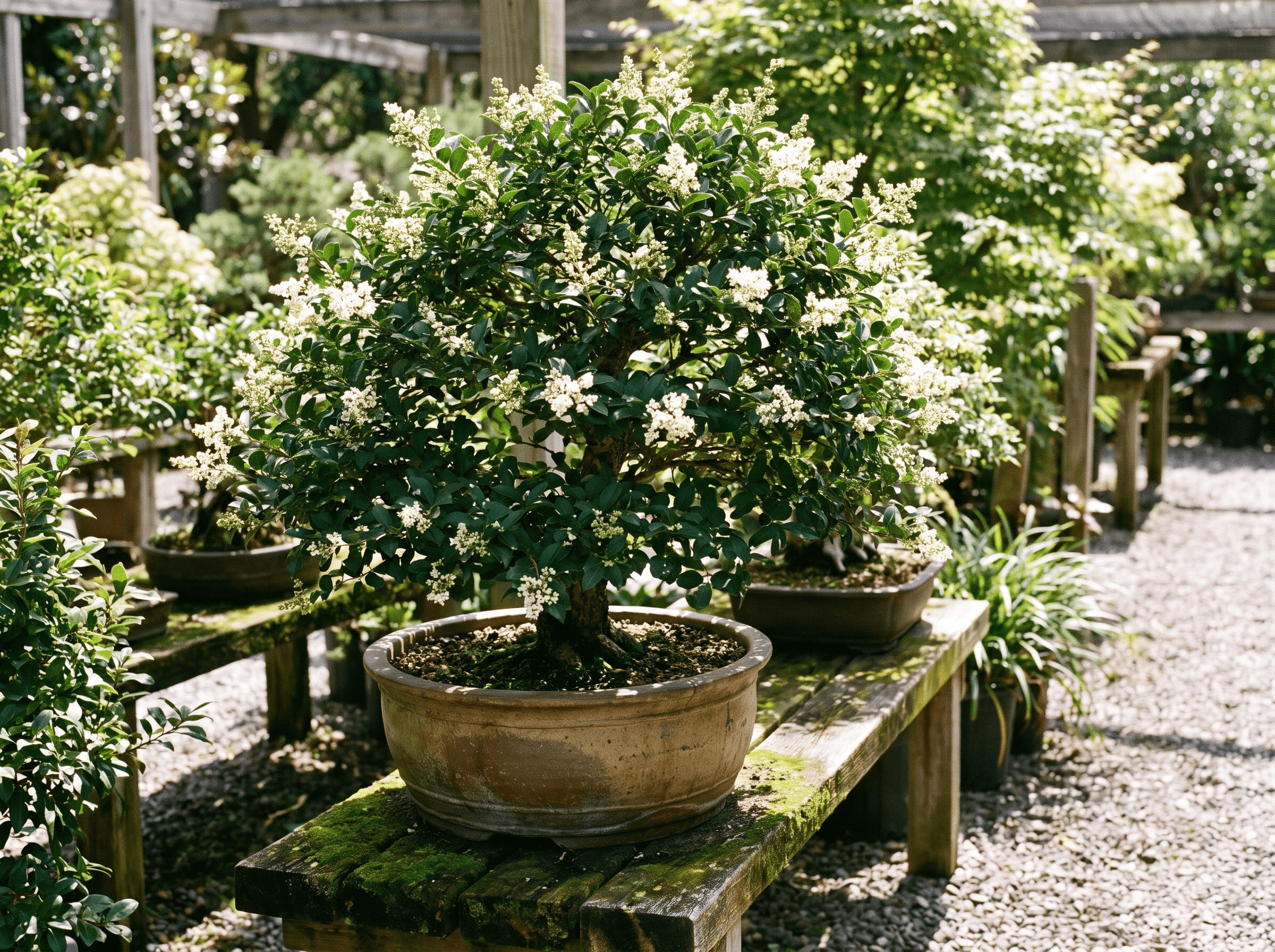
I don't oversell privet. It's not a rare or prestigious species in bonsai circles, and nobody's buying a Ligustrum sinense expecting to impress judges at a serious show. What it is, is extremely vigorous, forgiving of hard pruning almost to a fault, and genuinely cheap and easy to source as raw material, which makes it a classic conversion project, take an overgrown garden shrub or cheap nursery privet and turn it into something with real bonsai structure over a couple of seasons. It's also classified as invasive in parts of the world, including some regions of the southeastern United States, where planting it directly in the ground is discouraged or restricted, so if you're in one of those areas, keep it as a container bonsai and avoid letting berries spread into the surrounding landscape.
Privet grows fast enough that mistakes get corrected quickly. Cut into the wrong branch, prune too hard, misjudge a cut, and privet just throws new growth to compensate within weeks during the growing season. That vigour is also why it tolerates poor soil reasonably well while establishing, which matters if you're starting from a shrub that's been sitting in compacted garden soil rather than proper bonsai substrate. It's not a fussy tree about its early conditions the way a lot of more refined species are.
One thing worth knowing before you commit a spot on your bench to privet: it flowers with small white clusters that some people find pleasant and others find genuinely unpleasant in scent, strong and a bit heavy in a way that's noticeable up close. I don't mind it, but I've had clients ask me to remove flower buds specifically because the smell bothered them near a seating area, so it's worth being aware of rather than surprised by come flowering season. Worth knowing too, the berries that follow are considered mildly toxic if eaten, so it's sensible to keep that in mind around pets or small children, on top of the scent consideration.
Care
Light
Full sun to fairly bright partial shade both work well, and privet is genuinely adaptable about light conditions compared to more particular species. Full sun gives denser growth and better foliage color, but this isn't a tree that sulks or declines dramatically in a slightly shadier spot the way a juniper would, which is part of what makes it such practical, low-stress material to have around.
Watering
Water when the topsoil starts to dry and water thoroughly. Privet handles a somewhat wider margin of watering error than more sensitive species, tolerating both brief dry spells and the occasional overwatering slip without major consequence, though I still wouldn't push either extreme deliberately. Vigorous, actively growing plants in summer use water quickly, so check more often during hot stretches.
Temperature & hardiness
Hardy through many temperate outdoor climates, though less uniformly cold-tolerant than some other privets. Chinese privet is sometimes given a cold but sheltered spot, or even brought under cover, over winter in colder regions rather than left fully exposed, so treat outdoor hardiness as climate-dependent rather than a blanket guarantee. Genuinely harsh, prolonged hard freezes are the main risk, particularly for younger material still establishing in a shallow bonsai pot, and giving the pot some shelter or insulation during those spells is worth the effort.
Soil & potting
A standard free-draining bonsai mix works fine, and privet is genuinely tolerant of less-than-ideal soil while establishing, which is useful if you're converting a shrub straight out of ordinary garden soil into a training pot. That tolerance is a starting-point convenience though, not a long-term excuse, transition it into proper bonsai substrate over the first year or two as you would with any developing tree, since the poor-soil tolerance is really about resilience during the establishment period rather than a reason to skip good practice permanently.
Fertilizing
Feed generously through the growing season, spring into early autumn, with a balanced fertiliser. Given how vigorously privet grows and how much of its bonsai development relies on frequent hard pruning to build ramification, it benefits from consistent feeding to keep recovering quickly between cuts. Ease off as growth slows into autumn.
Pruning & wiring
Privet's whole appeal as bonsai material comes down to how well it takes hard pruning. Cut back aggressively, into old wood if needed, and it usually responds with vigorous new growth rather than dieback, particularly on a healthy, actively growing plant, which makes it genuinely good practice material for anyone still building confidence with structural cuts. Expect to trim regularly through the growing season, a similar rhythm to other fast-growing shrub species like lonicera, since the same vigour that makes it forgiving also means it grows back into a shaggy shape quickly if left alone. Wiring works fine on younger shoots, though I mostly rely on clip-and-grow with privet given how readily it responds to pruning alone.
Repotting
Check the roots annually and repot roughly every one to two years while young and vigorously growing, easing to every two to three years as the tree matures and fills out. Early spring is the standard window. Privet's fast root growth means it can fill a pot and become root-bound faster than slower species, so check rather than assume, particularly in the first couple of years after converting raw shrub material into a training pot.
Common problems
Privet is generally trouble-free compared to more delicate species, but scale insects and aphids can show up on stems and new growth, particularly in still, crowded conditions with poor airflow. Whitefly is another occasional visitor. The strong scent of the small white flowers is more of a personal-preference issue than a plant health one, but if it bothers you, removing flower buds before they open is a straightforward fix and won't harm the tree. A privet that's gone leggy or sparse almost always just needs more frequent pruning rather than any treatment, this is a species that thins out fast without regular cutting given how much energy it puts into new shoot growth.
Styling
Privet's tolerance for hard pruning and fast recovery make it well suited to clip-and-grow development, building ramification through frequent cutting rather than intricate wiring work. Informal upright and broom styles suit its natural twiggy habit, and because it's such cheap, forgiving material, it's also a reasonable species to practice more experimental trunk chops or aggressive restyling on without much financial risk if something doesn't work out. I wouldn't call it a species people build serious show trees around, but for building genuine technique and confidence, it's some of the most useful material available.
Common questions
Is Chinese privet a good species for beginners?
Very much so. It's extremely vigorous, forgives hard pruning almost to a fault, and tolerates a wider margin of care mistakes than most bonsai species. It's a classic low-risk way to practice structural pruning technique.
Why does my privet bonsai smell bad when it flowers?
Privet produces small white flower clusters with a strong scent that some people find genuinely unpleasant up close, though others don't mind it. If it bothers you, removing the flower buds before they open is a simple fix that won't harm the tree.
How often does privet bonsai need pruning?
Regularly through the growing season, similar in frequency to a fast grower like lonicera. Left untrimmed for a few weeks in active growth, it can go shaggy quickly, so consistent trimming matters more than any single hard prune.
Can I convert a garden privet shrub into a bonsai?
Yes, this is actually one of the classic ways people get into privet bonsai, taking an overgrown garden shrub or cheap nursery stock and developing structure over a couple of seasons. It tolerates poor initial soil and rough handling better than most species while establishing. Just be aware that in some regions, including parts of the southeastern United States, Chinese privet is considered invasive, so it's worth keeping as a container bonsai rather than planting stock material in the ground there.
Is Chinese privet cold hardy?
Reasonably, though less uniformly than some other privets, and it's sometimes given a cold but sheltered spot, or brought under cover, over winter in colder climates rather than left fully exposed. Younger material in a shallow pot especially appreciates protection during genuinely harsh, prolonged hard freezes.
Why does my privet bonsai look sparse and leggy?
Almost always a pruning frequency issue rather than a health problem. Privet grows fast enough that it thins out in the middle without regular trimming, so a shaggy or hollow-looking tree usually just needs a more disciplined cutting schedule.
Does Chinese privet tolerate poor soil?
Yes, reasonably well while it's establishing, which is convenient if you're converting a shrub straight from garden soil. That said, it's still worth transitioning into proper free-draining bonsai substrate over the first year or two rather than relying on that tolerance long-term.
You might also like
General guidance based on 20+ years of practice. Every tree and every climate is different — when in doubt, ask us.