
Bonsai branch dying while the rest of the tree looks healthy
A bonsai branch dying while the rest of the tree stays green and healthy usually points to a cause specific to that branch, whether that's a pest, physical damage, or poor light reaching just that limb.
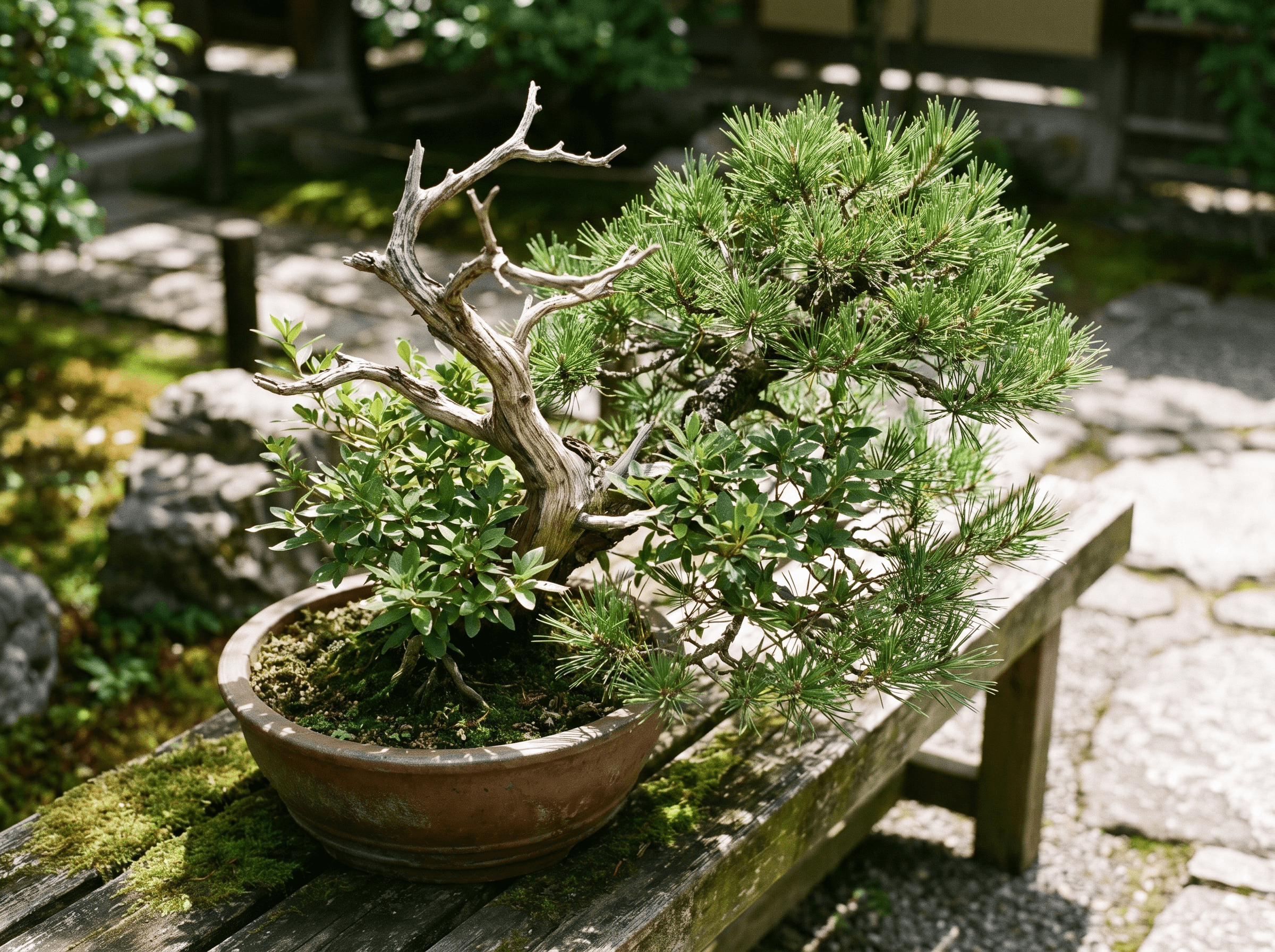
When a whole tree starts to decline, the list of suspects is long: watering, soil, light, root health, the season, a recent repot. When it's just one branch and the rest of the canopy is pushing normal growth, that shifts the odds toward something specific to that branch rather than a whole-tree issue. It's still worth keeping root health, watering and seasonal stress on the list if nothing branch-specific turns up, but a vigorous canopy everywhere else is a reasonable place to start looking locally first.
This is the approach I use every time a student brings me a bonsai branch dying while the rest of the tree looks fine: start local before you start second-guessing the whole care routine. It's tempting to treat one dying branch as a symptom of something systemic, but that usually sends you looking in the wrong place first. Instead I walk the branch itself, from where it leaves the trunk to the tip, looking for the thing that is different about this branch compared to its healthy neighbours. Nine times out of ten it's sitting right there once you know to look: a wire biting in, a patch of bark that doesn't look like the rest, a spot with noticeably worse airflow than the branches around it. If nothing local shows up after a proper look, that's the point to circle back and check the roots, recent watering and the season.
The reason I don't let this sit is that a genuinely localised problem doesn't always stay localised. A canker or a fungal lesion on the bark can spread into the trunk if you leave it. A borer doesn't stop at the branch collar. And wire left on too long girdles right at the point where it's cutting in; if that point sits close to the branch base, you can lose the whole branch, not just the growth beyond the cut. Catch it while it's still one branch and a bit of pruning and treatment usually settles it. Ignore it for a season and you can end up losing more than the branch, sometimes the whole design of the tree along with it.
Likely causes
Localised pest or disease
How to tell: Look closely at the struggling branch and compare it, twig by twig, to a healthy one on the same tree. Scale insects show up as small, flattened bumps clustered along the bark, often near a branch fork. A borer leaves a small entry hole, sometimes with fine sawdust-like frass around it, and the wood past that point feels dry and brittle rather than pliable. A canker shows as a sunken, discoloured patch of bark, sometimes cracked or oozing, that simply isn't present anywhere else on the tree.
The fix: Prune back to healthy wood well below any visible damage, checking the cut surface as you go: if the wood underneath is still discoloured, keep cutting back until it's clean and pale. Identify the pest before treating it, since borers vary by species and a systemic insecticide isn't automatically the right answer; for borers, prune out and destroy the infested wood, then check a current product label or ask a local extension office or bonsai professional what's appropriate for your species and area, while scale usually responds to a targeted spray or horticultural oil. Disinfect your tools with alcohol or a diluted bleach solution before you touch any other part of the tree, since a canker in particular can be carried on the blade to a healthy branch in seconds, then rinse and lightly oil the blades afterward so the bleach doesn't corrode them. A quick wipe lowers the risk but doesn't guarantee full sterilisation, so treat clean tool habits as ongoing rather than a one-off step.
Physical damage to that branch
How to tell: Trace the dieback back toward the trunk and you'll often find the actual injury sitting well below where the leaves started dropping. A wire left on too long leaves a visible groove where it's cut into the bark, sometimes with swelling on either side of the cut as the branch tried to grow around it. Damage from handling, a knock during a move, a graft that didn't take cleanly, tends to leave a more localised wound or a section of bark that looks bruised or split rather than a clean groove.
The fix: If it's wire, remove it now regardless of how deep it's cut in, since leaving it on only makes the girdling worse. Wire girdles specifically at the point where it's cutting into the bark, so if that point is close to the branch base, you can lose the whole branch, not just the growth past the cut. Going forward, check wired branches weekly to every one to two weeks during peak growth season, especially on fast-growing species, since wire that fit loosely in spring can already be biting by midsummer on a branch that's thickening fast.
Poor light or airflow reaching that specific branch
How to tell: Step back and look at the tree's overall shape rather than just the branch itself. The struggling branch is almost always on the shaded, crowded, or interior side, tucked under denser growth above it or facing a wall, while branches with open exposure on the same tree stay full and healthy. This one is slower to show up than pest or physical damage, since a branch in poor light doesn't die suddenly, it just weakens gradually over a season or two until it's clearly behind the rest.
The fix: Thin the growth that's shading it, whether that's foliage from the tree itself or something external like a nearby plant or a wall you can reposition the pot away from. If the branch has already thinned out significantly and opening up the area doesn't bring it back within a season, it's worth being honest about whether that branch is salvageable in its current position, since some interior branches are permanently poorly placed and are better removed and redesigned around than kept as a constant weak point.
How to prevent it
Most branch dieback I see traces back to something that could have been caught weeks earlier if the branch had been looked at individually rather than judged as part of the overall silhouette. Get in the habit of checking wire on every wired branch weekly to every one to two weeks during peak growth season, since that's the single most common cause I run into and the easiest to prevent entirely. When you're watering or misting, take an extra few seconds to look at each major branch on its own terms: does this one still have the same leaf colour and density as the others, is the bark at the base of it still clean, is it sitting somewhere that's gone shadier as the rest of the canopy filled in around it. A tree that looks healthy from a few steps back can still be hiding a branch in early trouble, and catching that early is what keeps a pruning job small instead of a redesign.
Common questions
Should I remove a dying branch immediately?
Not always immediately, but don't leave it indefinitely either. First identify the cause, since if it's a pest or a canker you want to prune it out and treat the area promptly before it spreads. If it's simply light-starved and still has some green growth, giving it a season after correcting the light and airflow is a reasonable rule of thumb before deciding it's beyond saving, though actual recovery time varies by species and how stressed the branch already was.
How can I tell if a branch is truly dead versus just dormant or stressed?
Scratch a small patch of bark near the tip with your fingernail, just once in that spot rather than scratching repeatedly, which only wounds the tree. Green or pale tissue underneath means it's alive, even if stressed, while dry, brown tissue all the way through means that section is dead. Also flex a thin twig gently: a living branch has some give to it, while a dead one snaps cleanly and feels brittle rather than springy. Evergreens in particular can show delayed symptoms, so a branch that scratches green today can still decline over the following weeks if the underlying cause isn't addressed.
Can a dying branch spread rot or disease to the rest of the tree?
It can, depending on the cause. A fungal canker or bacterial infection can move from a dead branch into the trunk if it's left in place, and a borer won't necessarily stop at the branch collar once it's finished with the branch itself. Pest and disease causes are the ones to act on quickly; a branch that died purely from shading or old wire damage is much less likely to carry anything contagious to the rest of the tree.
How far back should I cut when removing a dead branch?
Cut back into wood that's clearly alive, checking the colour and moisture of the cut surface as you go rather than guessing from the outside. For disease or pest damage, go further than feels necessary, since leaving even a small strip of infected or infested tissue behind can let the problem restart. For a branch removed for design or light reasons, cut cleanly at the branch collar so the trunk can callus over properly.
Is it ever worth trying to save a badly damaged branch?
If there's still living tissue past the point of damage and the underlying cause has been fixed, such as wire removed before full girdling or the area opened up for better light, yes, it's worth giving it a growing season as a rough guide to show whether it recovers. If the damage is at the base of the branch or it's been girdled all the way around, no amount of care afterward will bring it back, and you're better off pruning it cleanly and letting the tree redirect its energy.
Do I need to disinfect my tools between cuts when dealing with a sick branch?
Yes, and this matters more than people think. If the cause turns out to be a canker, fungal infection, or certain bacterial problems, your pruning shears can carry it straight from the sick branch to the next healthy one you cut. Wipe the blades with rubbing alcohol or a diluted bleach solution before moving on to any other part of the tree, then rinse and lightly oil them afterward so the bleach doesn't corrode the metal, and repeat the whole process before you use the same tool on a different tree entirely.
You might also like
General guidance based on 20+ years of practice. Every tree is different — when in doubt, ask us.