
Bonsai Autumn Leaf Color Meaning: Normal Fall Color or Stress?
Even color change spreading gradually across a canopy is autumn doing its job, patchy color showing up early on one branch is usually the tree telling you something else entirely.
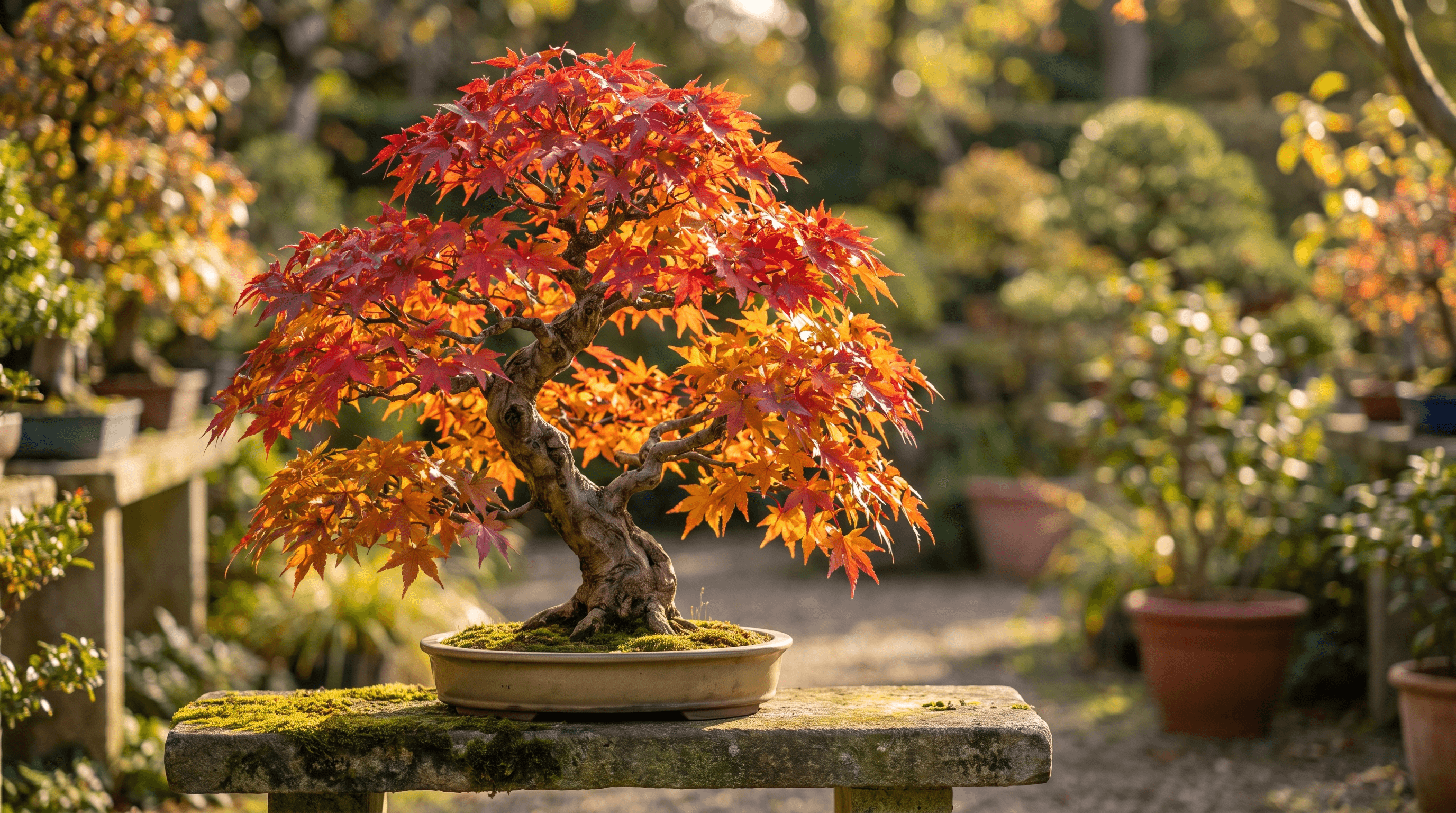
Autumn color on a deciduous bonsai is one of the genuine pleasures of the season, and it's also, if you know how to read it, one of the more useful diagnostic windows the tree gives you all year. Most of the time it's exactly what it looks like, the tree shutting down chlorophyll production and letting the underlying pigments show through as it prepares for dormancy. But not always, and the difference between normal seasonal color and stress-driven color is something I check every autumn without fail.
The confusion is understandable. Both normal seasonal change and stress-driven color loss look, in isolation, like a leaf turning yellow, orange, or red. What separates them isn't really the color itself, it's the timing and the pattern across the tree, and those two things together tell you most of what you need to know before you go looking further.
I want to walk through both, because knowing what normal looks like is just as useful as knowing what abnormal looks like. You need the baseline to spot the exception, and the same weather that shapes a normal display from year to year is also part of why comparisons are only meaningful against the same species in the same spot.
What normal seasonal color change looks like
Healthy autumn color change tends to move through the canopy fairly evenly, starting around the time you'd expect for that species and your climate, and progressing gradually over days to a couple of weeks rather than happening overnight on isolated branches. Color generally develops with the whole tree roughly in step, even if individual leaves vary a bit in exact shade or timing. This lines up with day length shortening and temperatures dropping, and it happens whether the tree had a great growing season or just an adequate one, since it's driven mainly by the season itself. Weather and genetics both shape the exact quality and timing of the display from year to year, which is another reason to judge a tree against its own past autumns and against the same species nearby rather than against a fixed calendar date.
When early or patchy color is a stress signal
Color that shows up noticeably ahead of when the rest of your collection or that species typically turns, or that's concentrated on one branch or one side of the tree while the rest stays green, is worth a closer look. This pattern can point to something localized, uneven watering reaching one part of the root system less than another, a root problem on that side, physical damage to that branch, or in some cases disease affecting that portion of the tree. It isn't always one of these causes though, ordinary within-canopy variation and low light reaching an interior branch can produce a similar early or duller patch, so treat one-sided color as a prompt to check rather than a firm diagnosis on its own. I've caught early root issues this way more than once, noticing one branch turning weeks before the rest of an otherwise healthy-looking tree and tracing it back to a dead patch of roots underneath that section.
What to actually check when you see early or patchy color
Start with the substrate, checking moisture below the surface in the active root zone, since uneven watering or a drainage issue affecting one part of the root system is a common and relatively easy cause to rule in or out. If watering seems fine and even, consider whether the tree was recently repotted, moved, or otherwise disturbed at the roots, since root stress from any of those can show up as premature or patchy color weeks later. If none of that explains it, a closer look at the affected branch itself, checking bark for damage, cankers, or disease signs, is the next step rather than assuming it's simply an early autumn and waiting to see what happens.
Why the whole-tree pattern matters more than any single leaf
I've had people send me photos of one slightly early yellow leaf, worried it signals a major problem, when a single leaf turning ahead of its neighbors is well within normal variation and not something to act on. It's the pattern across the whole tree that carries the real information, one branch clearly out of step with the rest, or color spreading in an unusual direction rather than the typical gradual progression for that species. Zoom out before you diagnose anything from a single leaf, the tree as a whole is the more reliable source.
Common questions
Is it normal for autumn leaf color to start on one side of my bonsai first?
A little variation is normal, but a clear, sustained difference where one whole branch or side turns noticeably ahead of the rest is worth investigating rather than dismissing. That pattern can point to localized drought stress, uneven root health, branch damage, or occasionally disease affecting that specific section, though ordinary within-canopy variation is also possible, so check before assuming the worst.
How can I tell if early leaf color is drought stress or something more serious?
Start with a substrate check below the surface in the active root zone, since uneven watering reaching one part of the root system less than another is a common and fixable cause. If the substrate is evenly moist and the pattern persists, consider root health, branch damage, or disease as the next things to investigate rather than assuming it will resolve on its own.
Does a great growing season mean better autumn color, or is it unrelated?
Autumn color timing is driven mainly by day length and temperature rather than how good the growing season was, so a tree that had an average summer can still color up beautifully. That said, weather conditions that particular autumn and a genuinely stressed tree can both shift color quality or evenness, even when the general timing is roughly normal.
My tree's leaves are turning brown and dropping instead of coloring nicely, what does that mean?
Leaves that skip a proper color transition and go straight to brown, especially if they're dropping earlier than expected, points more toward stress, drought, or disease than a normal seasonal shutdown. I'd check watering history and root health rather than treating this as just an unusually plain autumn display.
Should I be worried if my bonsai colors up later than expected?
Late color change on its own is usually less concerning than early or patchy color, and can simply reflect a mild, extended autumn, or normal year-to-year weather variation for that species. I'd only worry about lateness if it's paired with other signs of stress, rather than treating a slightly delayed color change as a problem by itself.
Can overfertilizing in early autumn affect leaf color timing?
Heavy late-season nitrogen can prolong soft new growth right when the tree should be winding down, and that can interfere with a clean seasonal shutdown, though the exact effect on color timing itself varies by tree and conditions. This is part of why tapering feed as growth slows matters, beyond just avoiding frost damage to soft new shoots.
Do all deciduous bonsai species show the same kind of autumn color change?
No, timing and the actual colors produced vary a lot by species, some maples turn brilliant red or orange while others go a more muted yellow, and the timing itself can differ by weeks between species even in the same collection. Knowing what's normal for each specific species you grow, and comparing it against its own past autumns, is more useful than expecting uniform behavior across a mixed collection.
You might also like
General guidance based on 20+ years of practice. Every tree, climate, and year is different — when in doubt, ask us.