
No new growth on your bonsai
A healthy bonsai pushes new shoots in spring and summer. Stalled growth points to light, feeding, dormancy, or a stress the roots are still recovering from.
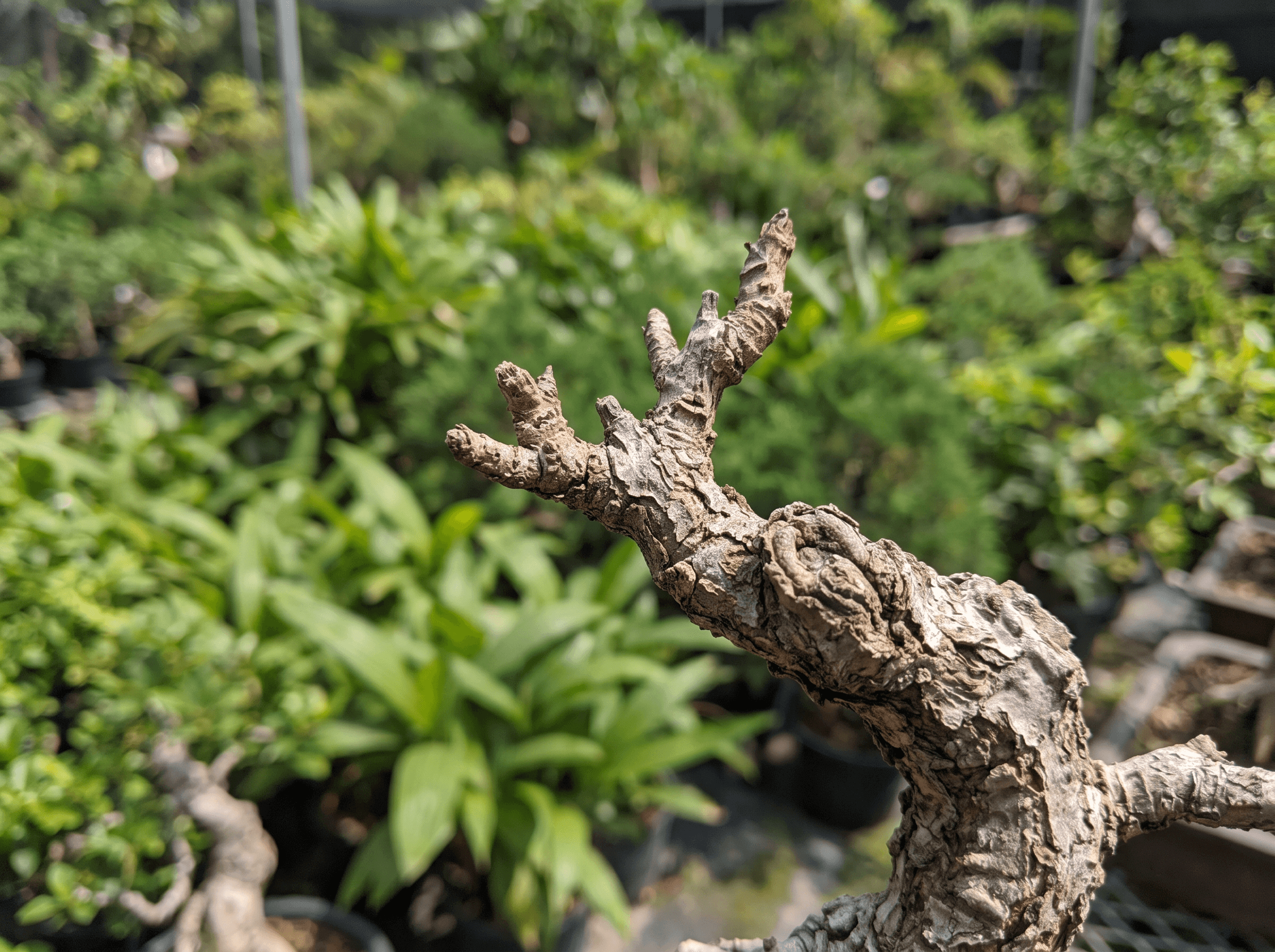
This is one of those complaints I hear all year round, and the first thing I ask is when. If it's early spring and the buds you were expecting simply haven't opened on schedule, that's a specific problem with its own timing and its own causes, and I've written a separate page on it, the spring buds not opening page, that goes into much more depth on exactly that situation. What I want to cover here is the broader version: your tree just isn't putting out new growth, and it hasn't for weeks or months, and you can't pin down why.
That broader complaint usually comes down to one of a handful of things, and working through them in order saves a lot of guessing. Is the tree actually supposed to be growing right now, given its species and the season? Is it getting enough light to fuel new shoots? Has it been fed, and does it have room to grow into? In most cases the answer sits in one of those three places, and none of them require drastic action once you've identified which one it is. Worth ruling out too: a watering problem, root rot from poor drainage, a recent repot or hard pruning the tree is still recovering from, or a move that shocked it, any of which can stall growth on their own. If you're unsure whether the tree is even still alive, scratch a small nick in the bark; green underneath means it's alive and just slow.
What trips people up is treating a bonsai like it should be in constant, visible motion. Most trees, even tropical ones kept indoors year round, go through slower stretches that aren't a problem at all. The trick is telling a normal pause apart from an actual stall, and that's really a matter of checking the calendar, the light, the pot and the roots before you start reaching for fertiliser or worse, chopping into roots that didn't need disturbing.
Likely causes
Dormancy, and it's simply not the season yet
How to tell: It's autumn, winter, or very early spring, and the tree is a deciduous or temperate species, maple, elm, juniper and most other outdoor bonsai among them, that naturally shuts down growth for part of the year. The buds are present and firm but closed, the tree looks otherwise healthy, and you just haven't seen movement because nothing is meant to be moving yet.
The fix: Do nothing. This is natural rest, not a fault to correct, and pushing fertiliser or heat at a dormant tree does more harm than good. Keep it protected from hard freezes if it's in a pot, water less often since the roots take up far less while dormant, but still check the soil rather than letting the rootball dry out completely, and let growth resume in its own time come spring. If spring arrives and the buds still haven't opened, that's the point to move over to the spring buds not opening page for a closer look.
Too little light
How to tell: An indoor tree kept some distance from a window, or an outdoor tree crowded by other plants or a wall, shaded for most of the day. Indoor tropicals such as ficus or jade are especially prone to this. New shoots that do appear are thin, pale, and stretched out rather than short and compact, which is the tree straining toward whatever light it can find instead of growing normally.
The fix: Move the tree to the brightest position you have, and for species kept indoors over winter, a grow light running several hours a day makes a real difference. Outdoors, even a partial shift into more direct sun for part of the day can restart growth, though the response can take anywhere from a couple of weeks to a full growing season depending on the species and how stressed the tree already is. Judge the change by new shoots over the following weeks rather than expecting anything overnight.
Hungry or root-bound
How to tell: No fertiliser applied in months, particularly through what should be the active growing season, or a tree that hasn't been repotted in several years and feels solid rather than springy when you lift the pot, with roots visible circling at the surface or through the drainage holes.
The fix: Feed through the growing season with a balanced fertiliser at the rate suited to the pot size, since bonsai in small volumes of soil exhaust nutrients faster than trees in the ground. If the roots have filled the pot, plan a repot for the following spring rather than forcing one out of season, which trades one stress for another. A tree that's merely hungry usually responds to feeding within a few weeks; one that's root-bound needs the repot before growth picks back up properly.
How to prevent it
Most stalled-growth cases I see trace back to one of the same two habits: a tree left in a dim spot because it looked fine there, and a feeding schedule that quietly lapsed once the tree seemed established. Keep a rough mental calendar of when your species should be actively growing, put the tree in the brightest spot that's realistic for your setup, and feed consistently through that window rather than only when you remember. Check the pot for root congestion once a year even if nothing looks wrong on top, since roots fill a pot well before the foliage shows any sign of it, and keep an eye on drainage too, since soggy soil and stalled roots can look a lot like a light or feeding problem from the outside.
Common questions
Should I fertilise to force growth?
Only if feeding has genuinely lapsed and the tree is in season to grow, and it isn't showing other signs of stress. Fertilising a dormant, sick, or stressed tree, or one that's stalled for a light or root reason, won't force new shoots and can stress it further. Fix the underlying cause first.
How long should I wait before worrying?
If the tree is genuinely dormant, a deciduous tree in winter can go months with nothing visible and be entirely fine, so there's no need to worry through that period. But that patience only applies to real dormancy; a tree that should be actively growing in spring or summer and shows nothing for four to six weeks is worth investigating straight away, checking watering, drainage, light, pests and live cambium rather than waiting out the whole season.
My tree is indoors and evergreen. Does it still go dormant?
Many indoor and subtropical species slow down rather than fully stopping, especially with shorter winter daylight even indoors. Slower growth through the darker months is normal; a complete standstill for several months running usually points to light or feeding rather than dormancy.
Does temperature matter as much as light?
Yes, particularly for triggering the shift out of dormancy. A tree can have plenty of light and still sit still if night temperatures stay too low for its species. This matters most in early spring, which again is exactly the territory the spring buds not opening page covers in detail.
Could a pest or disease be behind no growth at all?
It's possible but less common as a sole cause. Pests and disease usually show other signs too, like discoloured foliage, sticky residue, or visible insects, alongside the lack of growth. If the tree looks otherwise healthy with no such signs, check light, feeding, watering, and roots first.
Is it spring and my tree specifically isn't budding on time?
That's a distinct situation from general no-growth, and I'd point you straight to the spring buds not opening page, which walks through the specific causes of buds failing to open at the expected point in the season, in more depth than I can give it here.
You might also like
General guidance based on 20+ years of practice. Every tree is different — when in doubt, ask us.