
Bonsai dropping leaves
Sudden leaf drop is usually an acute stress response, most often tied to watering, light, temperature, drafts or a recent change, rather than one single cause. The job is finding what's behind it.
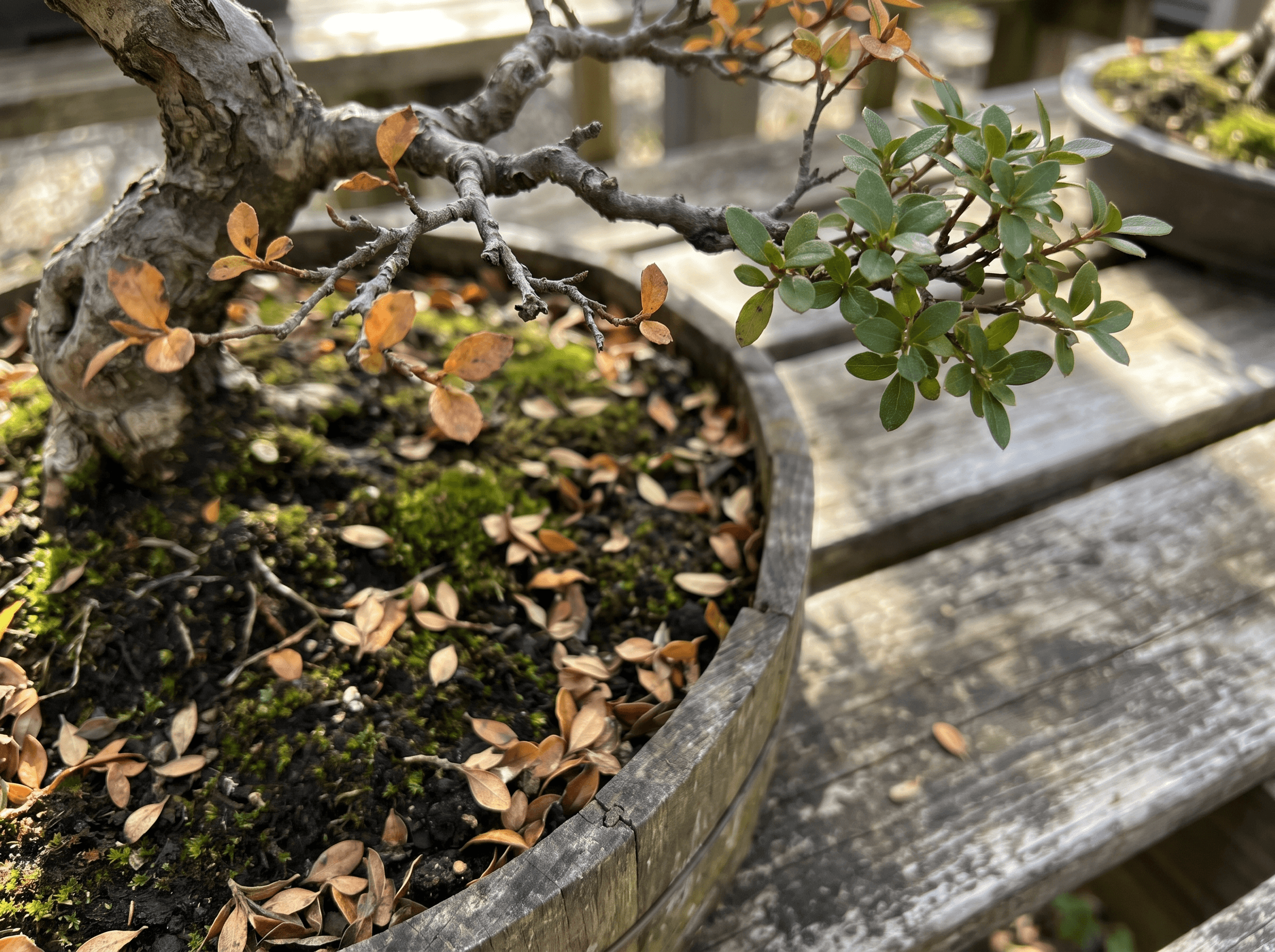
If your bonsai is dropping leaves suddenly, over days rather than weeks, that's usually an acute stress response rather than a slow decline. Watering problems, either too wet or too dry, are the single most common cause, and a change in light, temperature, drafts or location often makes the effect worse rather than being the whole story on its own. The trigger is usually recent and identifiable if you think back honestly over the last two or three weeks, starting with how the tree has actually been watered.
One thing worth ruling out first: is the tree a deciduous species dropping its leaves in autumn or winter as part of its normal yearly cycle? That's expected and not a problem at all, and it's covered on the evergreen-leaf-drop page rather than here. This page is about leaves coming off out of season, or an indoor tropical bonsai such as ficus losing leaves it should be keeping, which is a genuine stress signal rather than a normal cycle.
If the drop started specifically after you repotted the tree, I'd point you toward the transplant shock page instead of this one; it goes much deeper into that particular case, covering root disturbance, recovery timelines and the specific care a freshly repotted tree needs. This page covers the broader set of triggers, a purchase, a house move, a change in light, a draft, that cause the same kind of stress response without the roots having been physically disturbed.
Start by working backward. What changed in the tree's life in the last few weeks: a new home, a different spot in the room, a shift in temperature, a change in the watering routine. Bonsai, and ficus in particular, are creatures of habit, and they tend to sulk visibly and dramatically at exactly the moment they're expected to settle in. While you're at it, take a quick look for pests, sticky residue, or webbing on the stems and leaf undersides; a chewing or sap-sucking infestation can cause drop too, and it's worth ruling out alongside the environmental checks.
Likely causes
A recent move or change
How to tell: The drop started within days of buying the tree, bringing it home, or moving it to a new spot. Ficus are the classic offenders here, capable of dropping most or all of their leaves within a week or two of a change in home, light or temperature, even a change that looks minor to you. Other species react less dramatically but the same principle applies.
The fix: Keep everything else stable while the tree adjusts, and resist the urge to also change the watering, feeding or position at the same time, since piling changes on top of each other only extends the recovery. Give it steady light, consistent watering and time; for tropical broadleaf species such as ficus, in active growing conditions, new growth usually appears within two to six weeks once it settles, and that new growth is the clearest sign the tree has stabilised. Temperate deciduous trees, conifers, or a ficus recovering in winter can take noticeably longer.
Watering stress
How to tell: Soil is either constantly soggy, never getting a chance to dry, or bone dry between waterings with no consistency to the routine. Inconsistent watering can also trigger leaf drop, especially when the soil swings from soggy to bone dry, since the tree can't establish a rhythm and keeps reacting to the swings.
The fix: Water only when the top of the soil feels just dry to the touch, and check that the pot actually drains rather than sitting in a saucer of water underneath. If you've been watering on a fixed schedule regardless of how the soil feels, that's usually the fix right there, switch to checking by feel instead of the calendar.
Light shock
How to tell: The tree went from a bright spot to a noticeably dimmer one, a common pattern with trees moved from a sunny patio into a house for the cooler months, or bought at a well-lit nursery and taken into an average living room. The change doesn't have to be extreme; even a meaningful drop in hours of direct light can trigger it.
The fix: Give the tree the steadiest, brightest spot the species tolerates, and avoid shuffling it between locations while it's adjusting. If you do need to move a tree seasonally, do it gradually where possible, a few days in an intermediate spot rather than one abrupt jump, since a slower transition causes noticeably less drop.
How to prevent it
The single best prevention is minimising how many things change at once. When you bring a new tree home, decide on its spot and its watering routine and then leave both alone for several weeks before judging how it's doing, rather than adjusting position, water and feed all in the first few days because the tree looks unhappy. Seasonal moves indoors or outdoors are sometimes unavoidable, but doing them gradually and at the same time each year, rather than reacting to a sudden cold snap, gives the tree less reason to shed everything at once.
Common questions
What should I check first when my bonsai starts dropping leaves?
Stop moving it, hold off on fertilising, and put it in the best steady light the species tolerates. Check the soil by feel before you water again, make sure the pot actually drains and isn't sitting in a saucer, and keep it away from drafts and heating vents. Then watch for new buds and green under the bark over the following weeks rather than judging the tree by its leaves alone.
My ficus dropped all its leaves, is it dead?
Almost certainly not. Ficus are notorious for dropping their entire canopy after a change and then pushing out a full flush of new leaves a few weeks later once they've adjusted. Scratch a small nick in the bark on a branch; if you see green underneath, the tree is alive and just needs time.
How long until the leaves come back?
For tropical broadleaf bonsai such as ficus recovering in active growing conditions, expect new growth within two to six weeks, faster in the growing season and slower in winter when growth naturally slows anyway. If two months pass with no sign of new buds and the branches feel dry or brittle, it's worth checking the roots for rot and inspecting closely for pests before assuming the tree is beyond recovery.
Should I fertilise a bonsai that just dropped its leaves?
No, hold off on feeding until you see new growth starting. A stressed tree without leaves isn't photosynthesising and can't use the fertiliser, and feeding it now can do more harm than good by pushing salts onto stressed roots.
Is it normal for a bonsai to lose leaves every time I move it?
Some sensitivity is normal, especially in ficus, but a tree that drops heavily every single time it's relocated even slightly is telling you it's already stressed in some other way, worth checking watering and root health rather than assuming it's just the species being fussy.
Could cold drafts cause leaf drop?
Yes, a sudden draft from an opened door, an air conditioning vent, or a spot near a drafty window can trigger the same stress response as a full location change. Keep bonsai away from direct drafts and heating vents indoors.
How is this different from leaves turning yellow and falling gradually?
Gradual yellowing before leaves drop points more toward a watering or light problem building over time, worth checking the yellow leaves page for that pattern. Sudden drop of green or barely yellowed leaves within days points more toward an acute stress response from a specific recent change, which is what this page covers.
You might also like
General guidance based on 20+ years of practice. Every tree is different — when in doubt, ask us.