
Autumn Bonsai Care Checklist
Autumn asks you to slow a tree down deliberately, and doing that well matters as much as anything you did for it all summer.
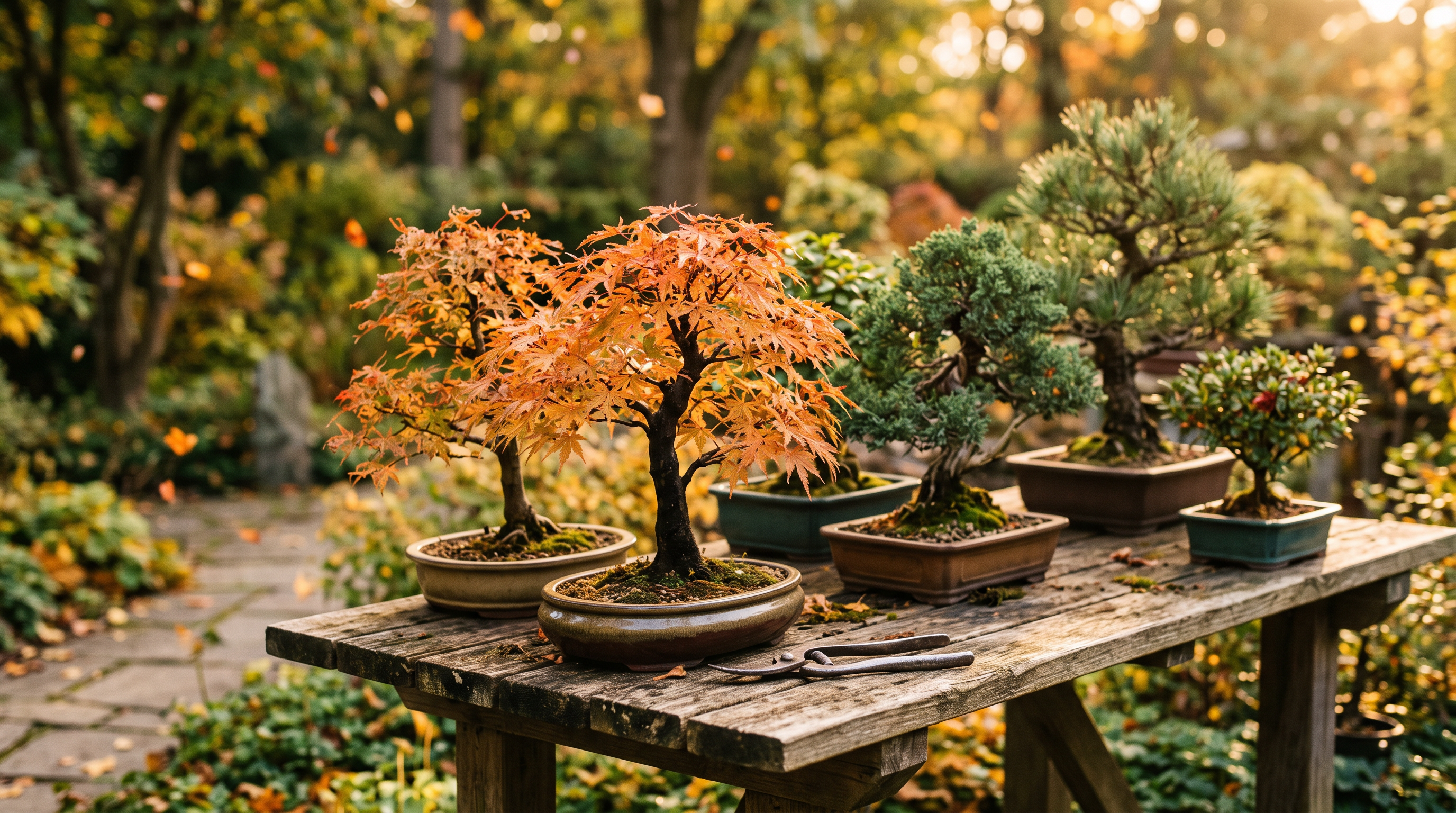
Spring gets treated as the season of action and autumn as the season of winding down, but I'd argue autumn takes more judgment, not less. You're managing a transition rather than following a fixed sequence, tapering feed without cutting it off too abruptly, catching a window for structural work on some species while leaving others alone, and starting winter preparation early enough that it isn't a scramble once the first real cold snap arrives.
The trees themselves give you the clearest signals if you watch for them. Leaf color starting to shift, a slowdown in visible new growth, watering intervals stretching out on their own as the tree uses less. I treat these as the real calendar for autumn, more than the date on the wall, because our autumns here in the south run warmer and longer than what you'd read in most general bonsai guides written for cooler climates further north.
This is a checklist in the same spirit as a spring one, a rough sequence to work through rather than a strict schedule, adjusted to what each tree is actually doing.
Start tapering feed as growth slows, not all at once
As the visible pace of new growth eases off through September and into October, I start reducing fertilizer strength or frequency gradually rather than stopping outright the moment autumn arrives on the calendar. Many growers hold that pushing full-strength feed into a tree that's naturally slowing down encourages soft late growth that hasn't hardened by the time real cold arrives, and that soft growth is what frost damages first, though this is a widely followed practice rather than a strictly settled point. Some growers, myself included, shift to a lower-nitrogen, more potassium-forward feed for a few weeks before stopping entirely, an approach used to support the seasonal transition rather than a guaranteed hardening effect on any given shoot.
Some species get a second structural pruning window here
For certain deciduous species, autumn, generally after leaf drop, offers a pruning window that avoids the heavy spring sap flow that can cause excessive bleeding from fresh cuts on trees like maple. This isn't universal though, it's species-specific, and I'd never treat it as a blanket rule to apply across the whole collection. Check what's actually recommended for the particular species in front of you, structural work that's fine on a maple or elm after leaf drop isn't automatically fine on something else, rather than assuming autumn pruning is safer across the board just because the tree looks dormant.
Begin winter preparation well before the first hard frost
Autumn is when I start assessing which trees will need winter shelter and getting that sorted, rather than waiting for a frost warning to force a rushed decision. Preparing early is not the same as sheltering early, though, most hardy temperate species are better off staying outside through the autumn cold and often through the first frost itself, since that exposure is part of how they harden off properly for winter. What I'm getting ahead of in autumn is the groundwork, checking pots for any cracks or damage that wouldn't survive a freeze, inspecting wire that's been on through the growing season and might need loosening before wood hardens further, and identifying which tender or marginally hardy species will need a cold frame or another protected spot once the weather actually turns. Doing this in October when there's no pressure beats doing it in a panic in December.
Watch leaf color as a genuine health signal
In my experience, normal autumn color change on deciduous species moves through the canopy in a fairly even, gradual pattern and lines up with the seasonal timing you'd expect for that species. Color that shows up early, patchy, or concentrated on one side or branch rather than spreading evenly is worth investigating rather than dismissing as simply early autumn, since it can point to drought stress, a root problem, branch damage, or disease rather than normal seasonal shutdown. I walk the collection specifically looking at this pattern every autumn, it's one of the more useful diagnostic windows the season gives you for free.
Let watering frequency track the tree's actual slowing water use
As days shorten and temperatures drop, trees use less water, and your watering frequency should ease off gradually in step with that rather than dropping sharply on a fixed date. The mistake I see as often as overwatering in spring is overcorrecting into underwatering in early autumn, cutting back too fast because the calendar says autumn has arrived while the tree, especially in a mild spell, is still using a fair amount of water. Check the substrate rather than assuming, the same way you would at any other time of year.
Common questions
When does autumn bonsai care actually start in a warm climate like Southern Italy?
I go by what the trees are doing rather than a fixed date, but in practice the tapering of feed and the first winter assessment checks usually begin for me in September, well before what a cooler-climate guide might suggest, since our growing season runs longer and the transition happens more gradually here.
Should I stop fertilizing completely in autumn?
Eventually yes, but gradually rather than abruptly. Tapering strength or frequency over several weeks as growth visibly slows, rather than cutting it off the day autumn starts, gives the tree a chance to harden off its late growth properly before feed stops entirely for the dormant season.
Is autumn a good time to repot?
For most species, no, spring remains the standard repotting window. A minority of species tolerate or even prefer an autumn window, but that's the exception rather than the rule, and I'd confirm species-specific advice before repotting anything outside the usual spring timing.
How do I know if my tree needs winter protection?
It depends heavily on species hardiness and your specific microclimate. Trees marginal for your climate zone, anything in a small or exposed pot, and recently repotted or otherwise weakened trees are the ones I flag for shelter first, and I make that assessment in autumn rather than waiting for a cold snap to force the decision.
My tree's leaves are changing color early, should I worry?
Early or patchy color change, especially concentrated on one branch or side rather than spreading evenly across the canopy, is worth investigating rather than ignoring. It can signal drought stress, a root issue, or disease, so I'd check the substrate and roots before assuming it's just an early autumn.
Can I still wire my bonsai in autumn?
Yes, autumn is a reasonable time for wiring on many species, particularly once leaves have dropped on deciduous trees and branch structure is visible again. Just check any wire that's been on since spring or summer at the same time, since bark that's thickened over the growing season may need it loosened.
Why did my watering schedule feel wrong in early autumn?
This is a common experience, cutting back watering too sharply right when autumn starts, before the tree's actual water use has slowed to match. I'd rather ease off gradually and keep checking the substrate directly than shift to a new fixed autumn schedule overnight, especially during a warm early autumn spell.
You might also like
General guidance based on 20+ years of practice. Every tree, climate, and year is different — when in doubt, ask us.