
How Much Does a Bonsai Tree Cost
A healthy starter bonsai costs about the same as a nice houseplant, while a museum-quality specimen costs what it does mostly because of decades of work, not the plant itself.
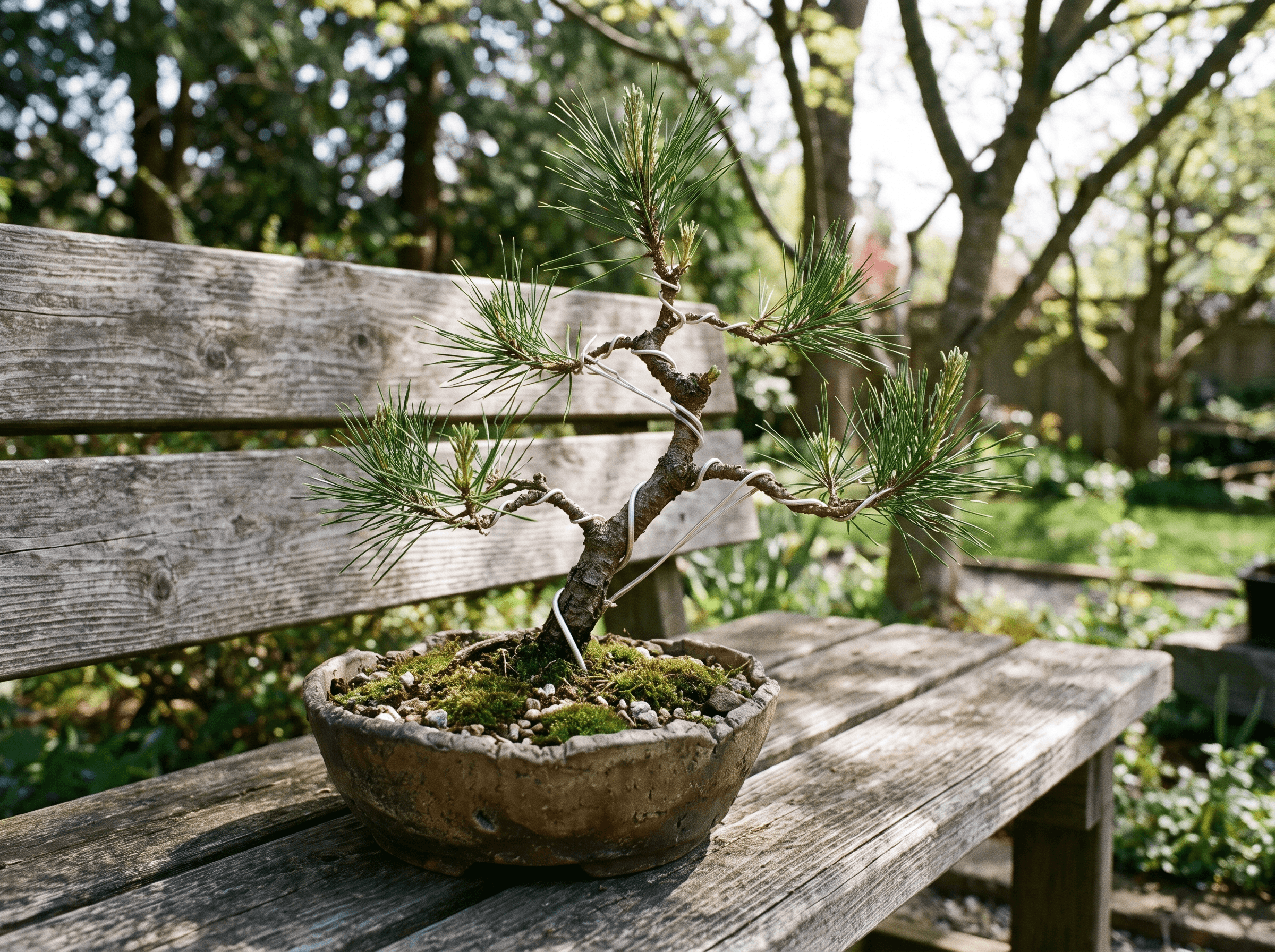
This question comes up constantly, usually from someone who's just seen two wildly different prices for what looks, to an untrained eye, like roughly the same size tree. One was twenty euros at a garden center. Another was several thousand at a specialist show. Both are legitimately priced for what they are, and the gap between them comes mostly from time invested, though trunk quality, species, pot, and reputation also move the number, not from the plant material alone.
A bonsai's price tag is largely a price tag on labor and years, though trunk quality, species, and pot play a part too, not simply on the tree as a living organism. A young juniper costs very little because it's a young juniper, full stop. The same species, trained and refined over thirty years into a convincing, balanced miniature tree with real ramification, costs vastly more because someone spent thirty years shaping, wiring, pruning, and repotting it correctly. You're paying mostly for someone else's decades.
Understanding that distinction makes the whole pricing landscape make a lot more sense, and it should also steer where you put your own money as a beginner.
As a rough guide: healthy young nursery stock or basic pre-bonsai material typically runs from about twenty to a hundred euros. A partly trained tree with some developed structure, the kind many hobbyists buy to shortcut a few years of early development, usually falls somewhere between a couple hundred and a couple thousand euros. Refined, show-quality specimens with real ramification and pedigree can run from several thousand euros into the tens of thousands, depending on age, species, and reputation. These are rough bands, not fixed prices, since trunk quality, species rarity, and provenance all move the number within each tier.
Starter and nursery material is genuinely affordable
Young nursery stock or basic pre-bonsai material, meaning a tree that's healthy and has some potential shape but hasn't been fully trained yet, is close to the price of any other decent houseplant. This is where I'd point any beginner, both because it's low financial risk while you're learning and because working with young material teaches you far more about how a tree actually responds to pruning and wiring than admiring a finished one ever will.
Mall-kiosk 'mini bonsai' are usually a bad deal
Those small trees sold at shopping centers or as novelty gifts are often poor value. They're typically mass-produced from weak or unsuitable material, priced higher than equivalent nursery stock from an actual bonsai grower, and given little to no real training. I've seen people pay more for one of these than for a healthier, better-developed tree at a proper nursery. Checking the tree itself matters more than any blanket rule about where it's sold, but material marketed as a novelty gift alongside candles and greeting cards is worth extra scrutiny before you buy.
Why mature, refined bonsai cost so much more
A tree that's been in training for decades has had thousands of individual interventions: pruning decisions, wiring sessions, repottings, seasonal care, corrections when a branch grew the wrong way. Ramification, the fine branching structure that makes a bonsai look convincingly like a full-sized tree in miniature, simply cannot be rushed or bought as raw material. It has to be built over years through repeated growth and pruning cycles. When you see a specimen bonsai priced in the thousands, you're looking at a price built mostly from accumulated skilled labor and time, alongside factors like trunk quality, species, and show pedigree, not from the cost of the plant itself.
Ongoing costs are small compared to the tree itself
Once you own a bonsai, the recurring expenses are modest. A bag of bonsai-appropriate substrate, a basic root hook and pair of shears, a bottle of liquid fertilizer, these are the kind of small, occasional purchases involved, each typically costing a few euros to a few tens of euros rather than hundreds. None of these come close to the price difference between a beginner tree and a mature specimen. Even repotting into a quality ceramic pot, which is usually the single biggest ongoing expense, is a one-time cost every few years rather than something recurring monthly. Budget for these as modest and occasional, not as a major ongoing expense.
Common questions
What's a reasonable price for a first bonsai tree?
Something in the range of a nice houseplant to a mid-range gift, roughly twenty to a hundred euros, from a proper nursery rather than a mall kiosk. That gets you genuinely healthy young material with real potential, without overpaying for either poor-quality novelty trees or a level of refinement you don't need yet.
Why do some bonsai cost thousands of euros?
Mostly because of accumulated time and skilled labor, along with trunk quality, species, and pedigree. A mature specimen represents decades of pruning, wiring, and repotting decisions that shaped its structure and ramification. You're paying largely for that invested expertise and time, which can't be shortcut or mass-produced.
Are cheap bonsai from garden centers or supermarkets worth buying?
It depends on the specific tree's health and suitability rather than the venue alone, though quality does tend to be more consistent from a dedicated bonsai nursery. Look at overall vigor, whether the species is realistic for your climate and light, a reasonably tapered trunk with usable branch structure, and soil that drains well rather than sitting wet, regardless of where you're buying. A tree that scores well on those points can be a fair find even at a general garden center.
Is it cheaper to grow a bonsai from seed than to buy one?
In money, yes, seeds cost very little. In time, no, since growing usable trunk thickness and structure from seed takes many years before you even begin real bonsai training. Most people, including most experienced growers, start from nursery stock or pre-bonsai material specifically to skip that long early stage.
Why are mini bonsai at shopping malls often overpriced?
They're usually produced in bulk from weaker or less suitable material with minimal actual training, then marked up as a novelty gift item rather than priced as horticultural stock. You often get less tree, in terms of health and potential, for more money than buying from an actual bonsai nursery.
How much should I budget for pots, soil, and tools after buying a bonsai?
Modestly. Bonsai-appropriate soil components and a starter set of tools each typically cost a few euros to a few tens of euros, and a decorative pot, needed only once the tree is ready to move out of a training container, is typically a one-time cost every few years rather than a recurring expense.
Does an expensive bonsai need more expensive ongoing care?
Not really. The fundamentals, watering, light, appropriate soil, seasonal care, cost roughly the same regardless of the tree's value. What changes with a valuable, mature specimen is the stakes of getting a pruning or repotting decision wrong, not the price of routine maintenance itself.
You might also like
General guidance based on 20+ years of practice. Every tree and every climate is different — when in doubt, ask us.