
Preparing Winter Storage and Cold Frames
Winter shelter for bonsai works far better when it's built and tested weeks before the first hard freeze than when it's thrown together in a panic the night frost is forecast.
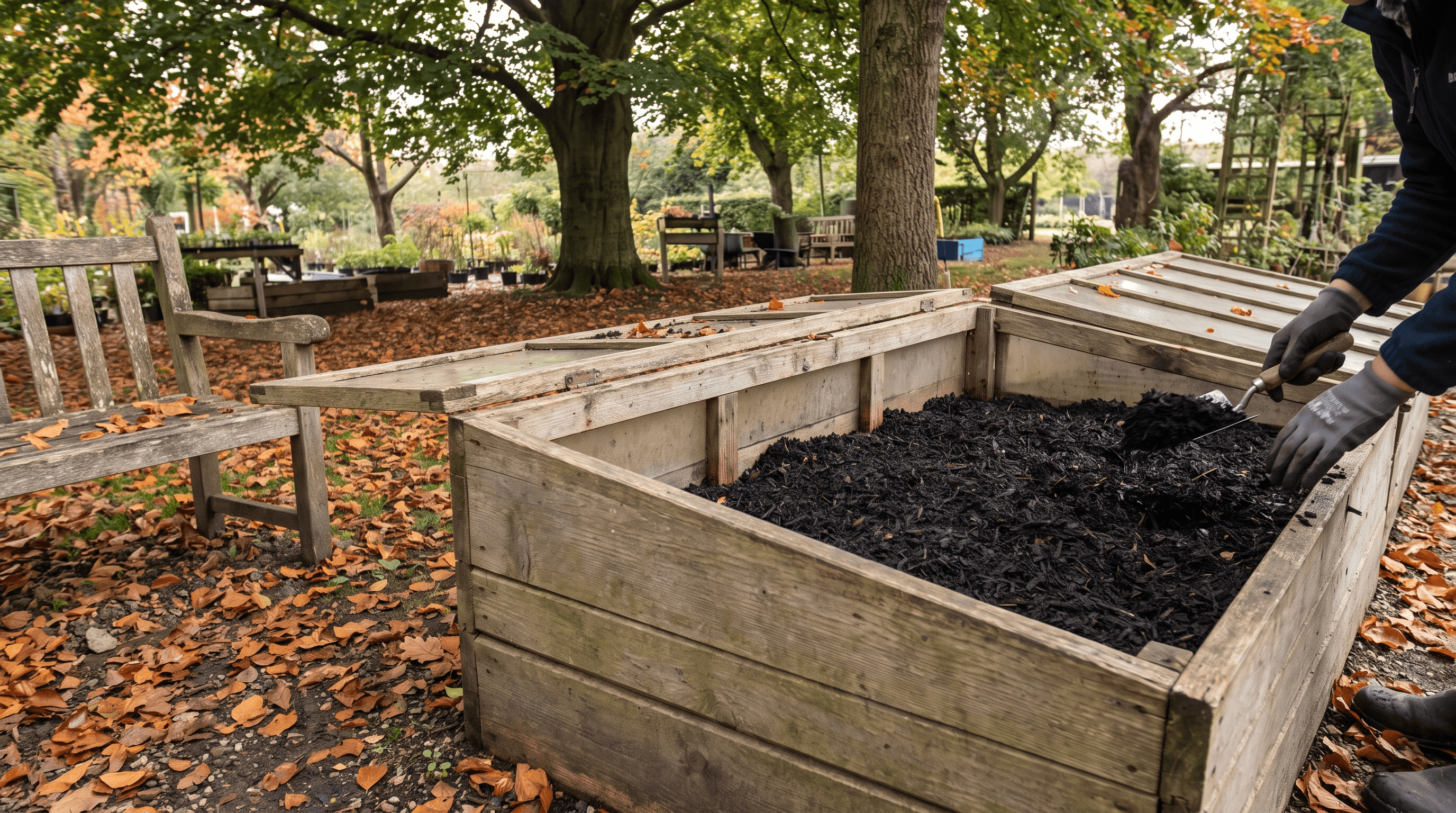
I set up cold frames, sort out which trees are going into the unheated garage, and check my sheltered spots against the north wall every autumn, well before I actually need any of it. It's tempting to leave this until a frost warning shows up in the forecast, but that's the worst time to be figuring out logistics, and I've made that mistake myself early on, moving trees in the dark in a rush with half a plan.
Whether you're building an actual cold frame, clearing space in an unheated garage, or just identifying a sheltered spot against a wall, the goal is the same: buffer the worst of the cold and wind without cutting the tree off from the seasonal cycle it needs. What trips people up more than the insulation itself is often ventilation, especially in a fully enclosed cold frame or greenhouse-style setup. A well-insulated but poorly ventilated space can become a good environment for mold and rot, which is its own kind of damage worth avoiding alongside the cold.
So this is really a two-part job: get the physical shelter ready, and get the airflow right, before you're relying on either of them in an emergency.
Get storage ready before you need it
I aim to have winter storage fully set up and tested well before our hardest frosts usually arrive, even though I don't move most hardy, temperate trees into it until after they've had that first real frost and settled into dormancy. That gives me time to notice problems, a cold frame that traps too much heat on a sunny afternoon, a garage spot that's actually draftier than I thought, while the stakes are still low. Waiting until a cold snap is forecast to even start building or testing shelter means moving trees under pressure, often in worse weather than you'd choose, and discovering shelter problems only after a tree has already been sitting in a bad spot for a night or two.
Ventilation matters as much as insulation
A sealed cold frame or garage corner can swing wildly in temperature on a sunny winter day, and trapped humidity from watering or condensation has nowhere to go. That combination is exactly what encourages mold on the soil surface and rot at the trunk base. I build in some airflow deliberately, a cracked vent on the cold frame lid, a garage window left slightly open, rather than sealing everything up tight and hoping for the best. The goal is buffering temperature swings, not creating a sealed box.
Choosing the right level of shelter for what you actually have
Not every tree needs the same setup. Hardy species that just need protection from the worst wind and the most extreme cold do fine in a simple sheltered spot, against a wall, under an eave, grouped together for mutual insulation. Borderline-hardy or more sensitive material gets the cold frame or the unheated garage, somewhere with more consistent buffering. I sort my trees into these groups in autumn rather than treating every tree the same, since over-sheltering a genuinely hardy tree can do as much harm as under-sheltering a tender one, mostly by preventing the normal dormancy and cold exposure it actually needs.
Building or checking a cold frame
A cold frame doesn't need to be elaborate, a simple frame with a translucent lid does the job, but I check mine over every autumn for gaps, cracked panels, or a lid that no longer seals well against wind. I also think about where it sits, avoiding low spots where cold air pools and avoiding full sun exposure that can overheat it on a mild winter afternoon. Trees inside still need occasional watering over winter, so I make sure the frame is easy enough to access that I'll actually keep up with checks rather than avoiding it because it's inconvenient.
Testing the setup before the trees depend on it
Before committing trees to a new storage spot, I leave a thermometer in there for a few days to see how it actually behaves, how much colder it gets overnight compared to outside, how warm it gets on a sunny afternoon. This tells me more than assumptions do. A spot I expected to be well buffered sometimes turns out to swing more than open ground nearby, and I'd rather find that out with a thermometer in October than with a stressed tree in January.
Common questions
When should I have winter storage set up by?
I aim for everything ready well before the first hard frost is typically expected in my area, though the actual date varies by local climate and hardiness zone. Setting up early gives you time to test and adjust before trees actually depend on the shelter, even though most hardy, temperate trees won't move into it until after they've had that first real frost.
Do all my bonsai need a cold frame or garage storage?
No, genuinely hardy species often do fine with just a simple sheltered spot outdoors, against a wall or grouped together out of the wind. Reserve the more controlled cold frame or garage space for borderline-hardy or more sensitive material.
How much ventilation does a cold frame actually need?
Enough that humidity from watering or condensation can escape and that temperature doesn't swing to extremes on a sunny day. A small vent gap or a lid that can be propped slightly is usually sufficient, the point is airflow, not leaving it wide open.
Can I use an unheated garage instead of building a cold frame?
Yes, an unheated garage works well for a lot of material. Some natural light and occasional airflow, a window or door cracked periodically, are generally beneficial, and I lean toward giving trees some light where I can, though a dim garage can still work for dormant, cold-hardy species over a shorter storage period.
What's the actual risk of a poorly ventilated winter shelter?
Mold on the soil surface and rot at the trunk base, mainly, both encouraged by trapped humidity with nowhere to escape. This is often a bigger practical risk over winter than the cold itself, especially in shelters that seem well insulated.
Should I still water trees in winter storage?
Yes, but far less than during the growing season. Check the soil periodically rather than watering on a fixed schedule, since a tree in a cold frame or garage dries out much more slowly than one outdoors in active growth.
Is it bad to over-shelter a hardy tree?
It can be, since hardy species need a certain amount of genuine cold exposure to go through a proper dormancy cycle. Putting a fully hardy tree into warm, heavily buffered storage meant for tender species can disrupt that cycle rather than help it.
You might also like
General guidance based on 20+ years of practice. Every tree, climate, and year is different — when in doubt, ask us.